
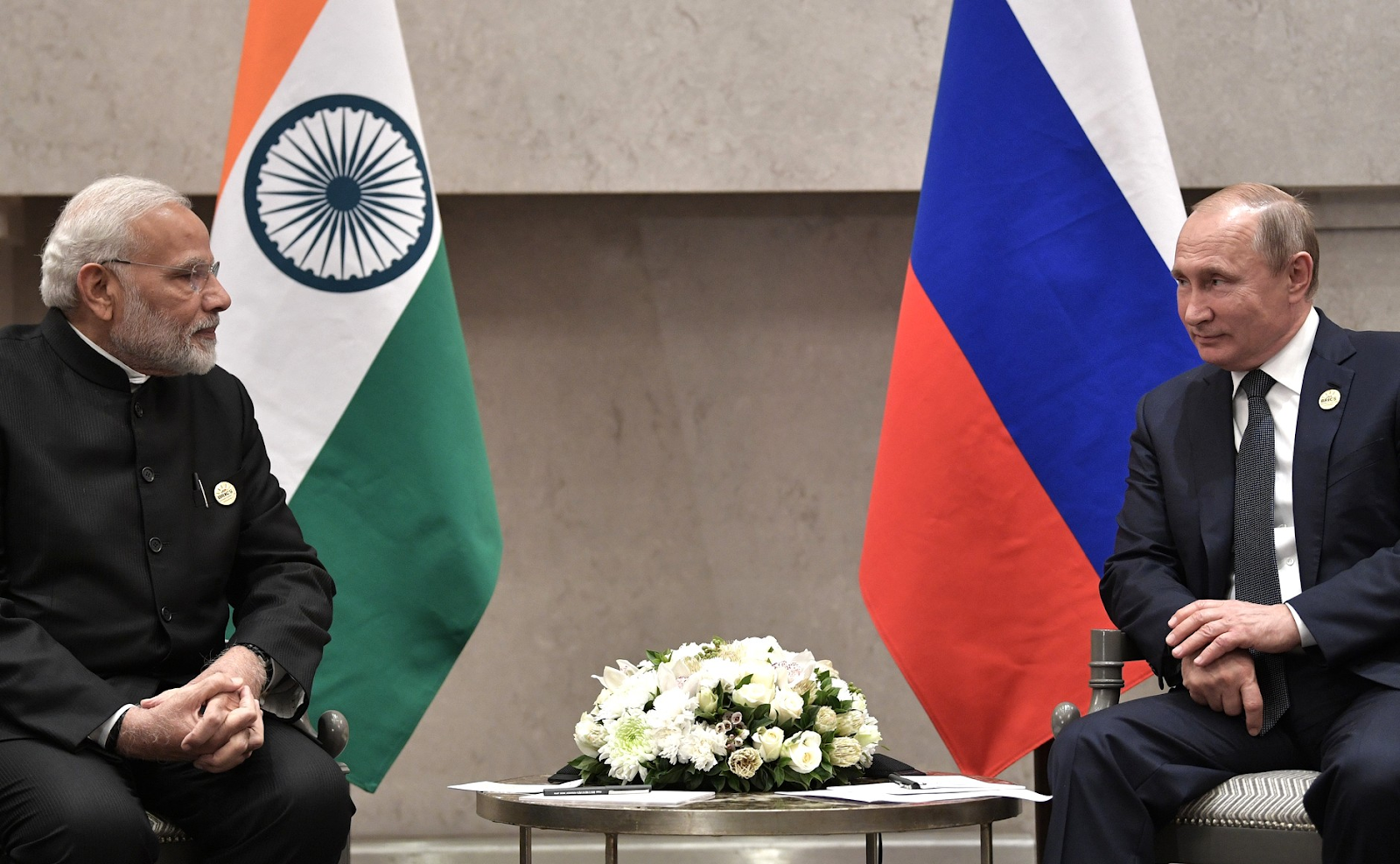
US President Donald Trump’s recent threats of higher tariffs on India have had an unintended consequence: they have unified Russia and India in opposition to what they call illegal pressure. On Tuesday, Kremlin spokesperson Dmitry Peskov explicitly stated that attempts to “force countries to stop trading with Russia is illegal,” directly supporting India’s right to its own trade policy.
The controversy stems from Trump’s social media post, in which he accused India of buying cheap Russian oil and selling it on the open market for a profit. He claimed this showed a lack of concern for the conflict in Ukraine and threatened to “substantially” raise tariffs on India, adding to the 25% tariff that was already implemented on August 1.
India’s government also issued a defiant response. In a strong-worded statement, the Ministry of External Affairs accused the US and European Union of “unjustified and unreasonable” targeting. The statement declared that India would take all necessary measures to protect its “national interests and economic security.”
The joint pushback from Moscow and New Delhi highlights a growing resistance to US economic coercion. Both nations are asserting their right to make sovereign trade decisions, and their alignment in this matter underscores the changing dynamics of global power. The situation reveals the limitations of using economic penalties to enforce a specific foreign policy agenda on unwilling nations.