
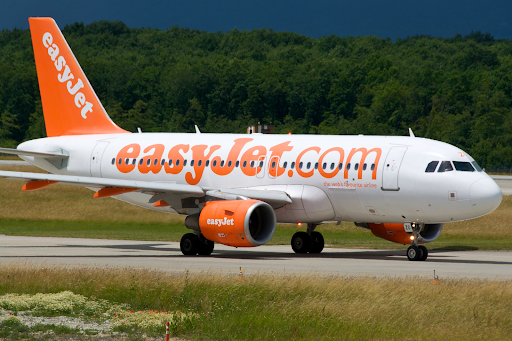
The head of EasyJet has characterized European Union baggage proposals as a dangerous threat to the low-cost travel model that has made flying accessible to millions of budget-conscious passengers.
New regulations under consideration would mandate free cabin baggage allowances across the European aviation sector. Every passenger traveling on EU-based carriers or through EU airports would gain automatic entitlement to both personal items and larger carry-on bags previously available only through optional fees.
Kenton Jarvis argues forcefully that such mandates would undermine the fundamental economics of budget aviation. The ability to unbundle services and charge separately for options allows carriers to maintain ultra-competitive base fares while generating revenue from passengers who choose additional amenities.
The practical implementation also raises concerns. Aircraft cabins have finite storage capacity determined by engineering constraints rather than legislative preference. Expanding baggage allowances beyond available space would simply force airlines back to offloading bags during boarding, creating operational inefficiencies.
EasyJet navigates these regulatory challenges while managing business performance, reporting quarterly losses that reflect strategic investments in Italian markets. The airline sees encouraging signs in booking volumes and geographic diversification of passenger demand.