
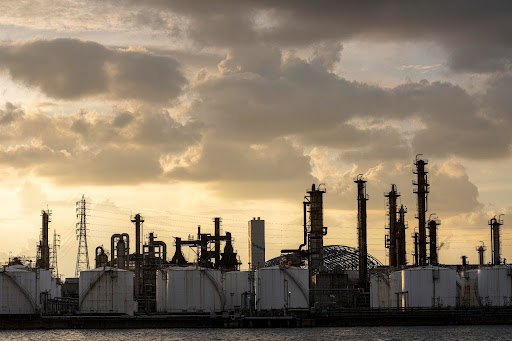
Iran’s decision to escalate its military confrontation with Israel has come with a steep economic price — for the world. Oil prices surged past $100 per barrel over the weekend, reflecting markets’ growing anxiety about the security of energy supplies from one of the globe’s most critical producing regions.
Israeli strikes on Iranian oil storage facilities near Tehran killed four workers and left the capital shrouded in smoke. Iran’s Revolutionary Guards threatened to push prices to $200 if the attacks continued, a warning that underscored just how explicitly the warring parties were weaponizing energy supplies as a tool of conflict.
Gulf states found themselves caught in the crossfire. Saudi Arabia, the UAE, Qatar, Bahrain, and Kuwait all came under Iranian attack over the weekend. Fifteen drones were shot down over Saudi Arabia, a desalination plant in Bahrain was damaged, and two civilians were killed in a Saudi residential area. A US service member also died from injuries sustained during an Iranian strike in the kingdom.
Reports that Russia had been providing Iran with intelligence to target US military assets in the region rattled Western capitals, suggesting the conflict was drawing in major powers in ways that could dramatically complicate any diplomatic resolution.
Iran’s political landscape shifted simultaneously, with the clerical assembly selecting Mojtaba Khamenei as the new supreme leader. The appointment of the late leader’s son was seen by many observers as likely to deepen the crisis rather than provide an off-ramp, given his association with the most hardline factions within the Iranian political system.