
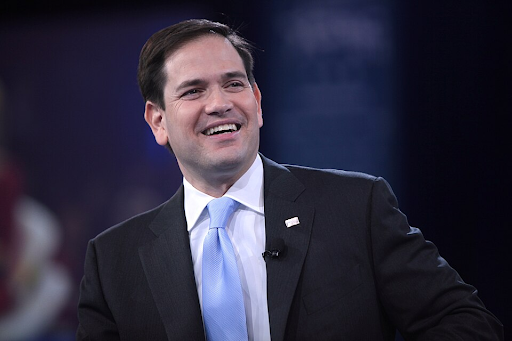
A wave of optimism is sweeping through diplomatic circles as a deal to end the two-year Gaza war reaches its final stages. US Secretary of State Marco Rubio announced that the agreement is “90 per cent done,” with negotiators now “sort of finalising the logistical piece” for a mass hostage release.
The deal, based on a proposal by President Donald Trump, has apparently been accepted “in principle” by Hamas. This significant concession has broken the long-standing diplomatic stalemate and opened a direct path to freeing Israeli captives and halting the fighting.
President Trump has called the framework a “great deal for Israel,” indicating that it meets his administration’s goals for regional security. He has been actively involved in pushing the deal forward, combining the promise of peace with a severe warning to Hamas about the consequences of non-compliance.
The immediate terms of the deal are clear: Israel will pull its forces back to the mid-August “yellow line” in exchange for the freedom of all hostages. Rubio stressed that this is the top priority and that Hamas’s commitment will be tested imminently in the ongoing technical talks.
Looking ahead, the agreement also includes a preliminary commitment from Hamas to discuss the long-term future and governance of Gaza. While many details need to be worked out, this element provides a foundation for building a sustainable peace beyond a simple cessation of hostilities.