
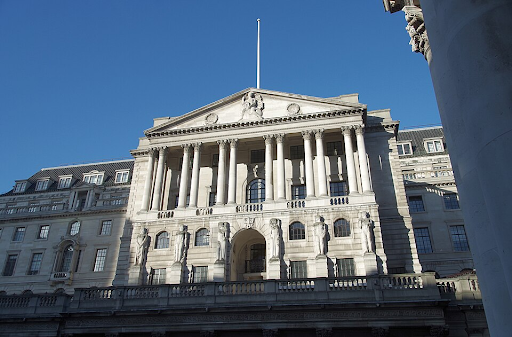
Behind the technical jargon of the Bank of England’s rate cut lies a stark reality: the UK economy is shrinking. Recent data revealed that GDP unexpectedly fell by 0.1% in October, marking four consecutive months without growth. This alarming statistic was the silent partner in the room as the Monetary Policy Committee voted 5-4 to cut interest rates to 3.75%.
The decision to lower rates is a classic response to a stalling economy. By making borrowing cheaper, the Bank hopes to encourage businesses to invest and consumers to spend, thereby jumpstarting growth. The two external members of the MPC, Swati Dhingra and Alan Taylor, were particularly focused on this, warning that a “downturn” was a greater risk than inflation.
Bank forecasters have now downgraded their expectations, predicting GDP will be flat for the final three months of 2025. This gloominess contrasts with the Chancellor’s optimism about “rekindling economic growth.” The reality is that high interest rates have done their job of cooling the economy—perhaps too well.
The dissenting voters, however, argued that growth concerns shouldn’t override the inflation mandate. They pointed out that while the economy is weak, prices in the service sector are still rising too fast. This creates a “stagflation” nightmare scenario: no growth, but high prices. The majority decided to risk a little inflation to avoid a recession.
This rate cut is essentially a rescue mission. It aims to put a floor under the economy before the stagnation turns into a full-blown recession. Whether a 0.25% cut is enough to reverse the trend remains to be seen, but it signals that the Bank is now as worried about growth as it is about prices.