
A stark contrast defined the opening of the Brazil climate summit: while the UN chief issued dire warnings about “fossil fuel interests,” the leaders of the world’s top three polluters were notably absent. The non-participation of leaders from China, the United States, and India at the preliminary gathering highlights a critical lack of global consensus.
UN Secretary-General António Guterres did not mince words, stating that some world powers “remain captive to the fossil fuel interests, rather than protecting the public interest.” He warned that failing to hold warming to 1.5 degrees Celsius would be a “moral failure and deadly negligence.”
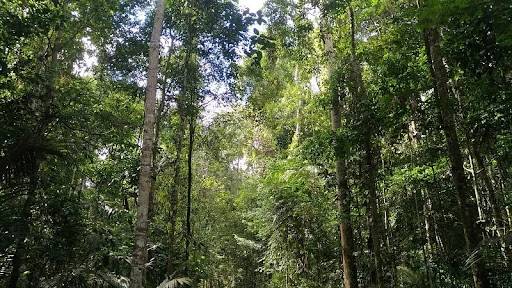
This political division forms a challenging backdrop for the summit’s host, Brazil’s President Luiz Inácio Lula da Silva. Lula is trying to build consensus around a major new proposal, the “Tropical Forests Forever Facility,” designed to stop deforestation in 74 developing countries.
Lula’s plan would use loans from wealthy nations to pay countries to protect their forests, aiming to make preservation more profitable than destruction. The symbolic location of the talks in Belem, part of the Amazon, underscores the urgency.
Despite the high-level absences, Lula’s fund is gaining financial momentum. Officials announced $5.5 billion in pledges, powerfully led by a $3 billion commitment from Norway. Furthermore, 20 percent of the fund is set to be allocated to Indigenous communities, recognizing their crucial role in conservation.