
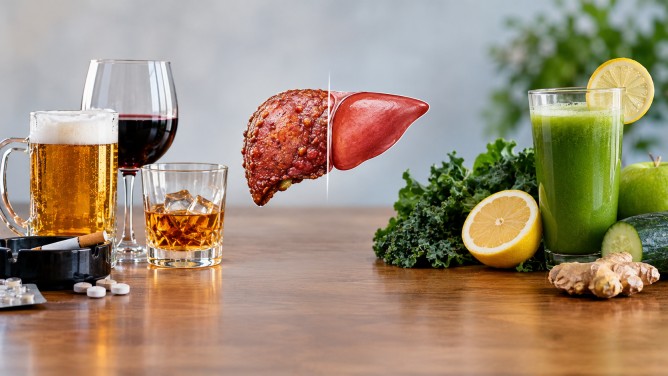
Despite popular claims, detox drinks and cleansing diets offer no proven shortcuts to reversing years of alcohol-related liver damage. The liver’s natural resilience allows it to repair itself to some degree, but recovery heavily depends on the extent of the damage and the timeliness of intervention. The most crucial steps for liver recovery include ceasing alcohol consumption, seeking medical advice, and adopting sustainable lifestyle habits.
Alcohol consumption can lead to the accumulation of fat in the liver, inflammation, and in severe cases, permanent scarring. The liver processes alcohol into substances that can be harmful to its cells, and prolonged exposure can result in scar tissue formation that disrupts normal liver functions. In its early stages, alcohol-related fatty liver can improve significantly if alcohol consumption stops. However, continued drinking may advance to more serious conditions such as alcohol-related hepatitis or even cirrhosis, where the liver becomes permanently scarred and loses its ability to function properly.
Symptoms of liver damage, such as persistent fatigue, nausea, reduced appetite, and jaundice, necessitate medical evaluation rather than attempting self-treatment with unproven methods. Detox drinks, often touted for their cleansing properties, lack reliable evidence to support claims of reversing liver damage. In fact, the liver already performs detoxification naturally, and some herbal products may even pose risks of liver injury.
For individuals concerned about their liver health, the focus should be on eliminating alcohol consumption and following medical guidance. Those with alcohol dependence should seek professional help, as abrupt cessation after heavy drinking can lead to dangerous withdrawal symptoms. A balanced diet rich in vegetables, fruits, whole grains, proteins, and healthy fats supports overall health and can be beneficial, especially if alcohol use has affected dietary habits.
Managing other health conditions, such as maintaining a healthy weight and controlling diabetes, high blood pressure, and cholesterol, can further reduce additional risks to the liver. It’s also important to be cautious with supplements and avoid products that promise rapid detoxification or liver repair without evidence. A healthcare professional can provide a comprehensive assessment of liver health through medical history and blood tests, enabling early diagnosis and guiding appropriate treatment.
Ultimately, liver recovery is not about quick fixes but involves avoiding further alcohol-related harm, maintaining good nutrition, and seeking medical care when necessary. While early liver damage may show improvement, advanced scarring is often irreversible. Taking action early offers the best chance to protect long-term liver health.