
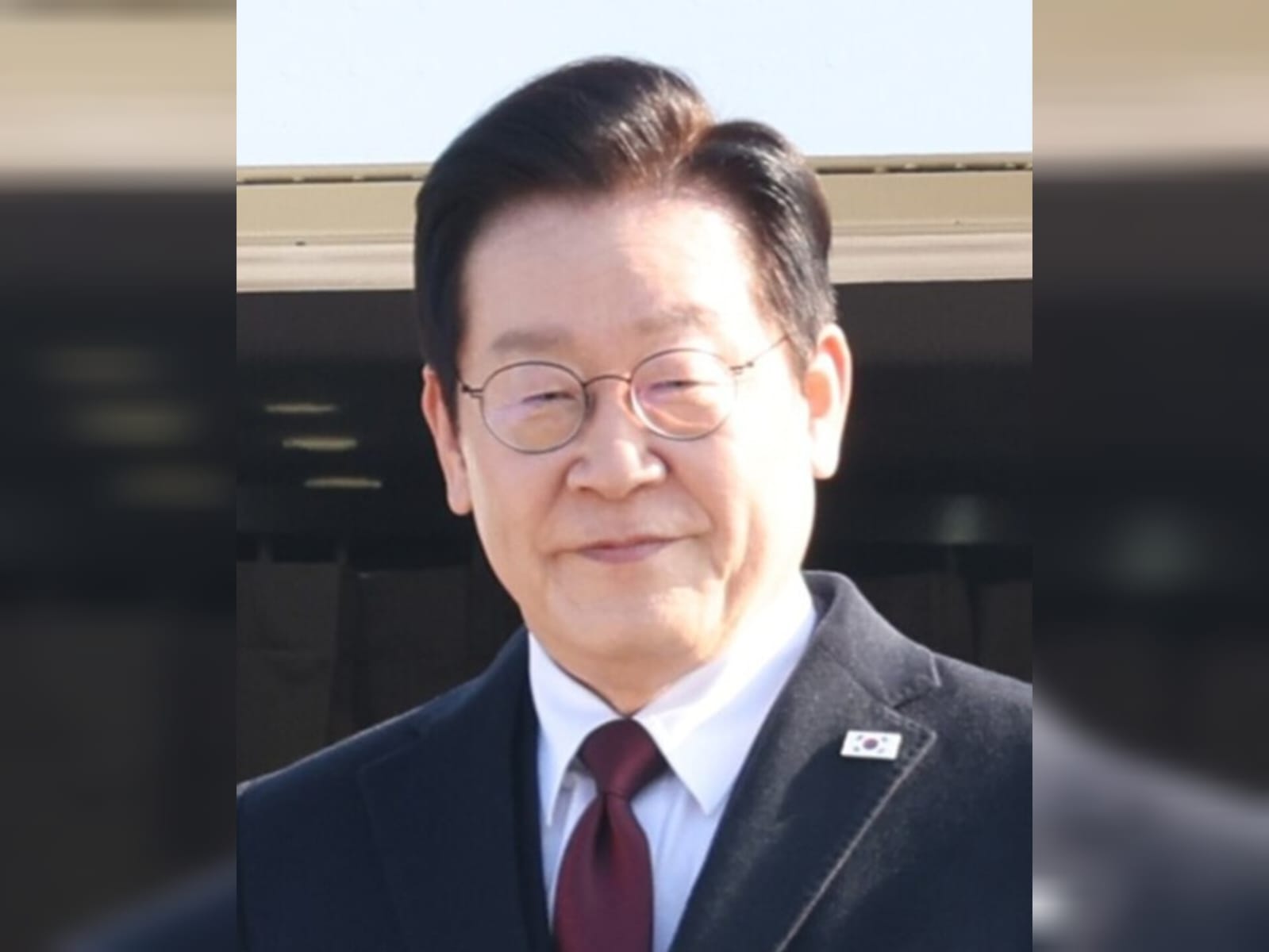
South Korean President Lee Jae Myung is poised to unveil a significant regional investment strategy next week, focusing on cutting-edge sectors such as artificial intelligence, semiconductors, advanced materials, batteries, and future mobility technologies. Scheduled for June 29, this pivotal meeting will gather top executives from the nation’s major conglomerates, including Samsung Electronics, SK Group, Hyundai Motor Group, and LG Group, to discuss the ambitious plan.
This initiative forms a crucial part of President Lee’s broader agenda aimed at fostering balanced national development by steering investments beyond the Seoul metropolitan area. The government is expected to introduce a range of incentives, including tax breaks, regulatory reforms, and support for essential resources like electricity and water, alongside workforce development efforts. In return, participating companies are anticipated to present their own new investment pledges.
In preparation for this event, President Lee has been actively engaging with business leaders, having already consulted with figures like Chey Tae-won and planning discussions with Lee Jae-yong. The administration’s strategy seeks to create regional industrial hubs that not only attract AI and semiconductor investments but also strengthen ties between universities, research institutions, startups, and suppliers. Officials are optimistic that this approach will generate high-quality jobs and counteract the trend of population migration towards Seoul.
Industry experts suggest that semiconductor projects located outside the capital region are likely to focus on advanced packaging and testing facilities rather than the more infrastructure-intensive large-scale wafer fabrication plants, which are predominantly situated near existing semiconductor clusters. Despite past governmental efforts to promote regional development, businesses have often encountered hurdles such as labor shortages, permitting delays, inadequate infrastructure, and weaker supplier networks.
Analysts emphasize that the success of President Lee’s latest regional development push will largely hinge on the government’s capacity to provide practical support and cultivate conditions favorable for sustained investment. As the administration gears up to address these longstanding challenges, the upcoming meeting with industry leaders could mark a turning point in South Korea’s economic landscape, aligning national growth with technological advancement and regional equity.