
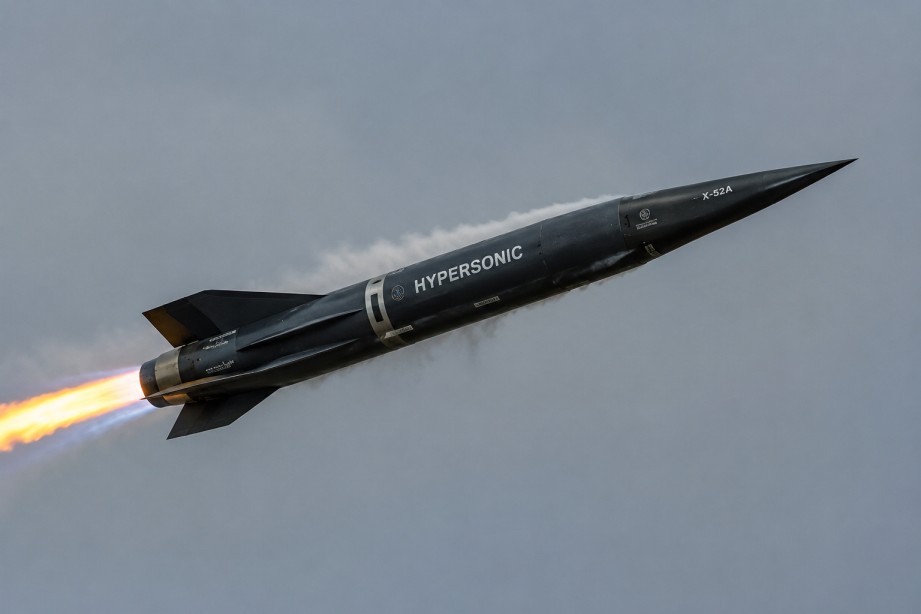
In a significant escalation of the Ukraine conflict, Russia launched an extensive missile and drone attack on Kyiv and its surrounding regions, deploying the hypersonic Oreshnik ballistic missile for the third time during the war. The assault resulted in the tragic loss of at least four lives and injuries to about 100 individuals, as reported by Ukrainian officials. The strikes targeted Kyiv and the nearby city of Bila Tserkva, causing extensive damage to residential areas, schools, a water facility, governmental buildings, and a large market, leading to fires across multiple districts.
Ukrainian authorities indicated that the overnight attack involved nearly 600 drones and 90 missiles, including numerous ballistic missiles. While a significant number of these were intercepted, several managed to hit central parts of Kyiv, inflicting widespread devastation. Russia acknowledged the deployment of the Oreshnik missile and other advanced systems, asserting that the strikes were aimed at Ukrainian military infrastructure in retaliation for what it claims were Ukrainian attacks in Russian-controlled territories.
The impact of the attacks was strongly felt throughout Kyiv, with Mayor Vitali Klitschko confirming damage in every district of the capital. Emergency services were actively engaged in rescuing individuals trapped in shelters and putting out fires caused by the explosions. The assault extended to Ukraine’s cultural and governmental sites, with the National Art Museum and sections of the foreign ministry building suffering damage, which Ukrainian officials condemned as deliberate attacks on civilian infrastructure and cultural heritage.
European leaders expressed strong condemnation of the attack, with French President Emmanuel Macron labeling the use of the Oreshnik missile as a dangerous escalation, and German Chancellor Friedrich Merz describing it as reckless. The European Union criticized Russia’s actions as terror tactics against civilians. The Oreshnik missile, which Russia first utilized in late 2024, is capable of carrying both nuclear and conventional warheads and is reputed for its hypersonic speed. Russian President Vladimir Putin has asserted its near-impossible interception, although these claims have been met with skepticism by Western analysts.
This aggressive Russian action follows shortly after President Putin’s warning of retaliation for alleged Ukrainian drone strikes in Russian-controlled areas. The developments mark a troubling intensification in the ongoing conflict, drawing international condemnation and highlighting the severe impacts on civilian life and cultural heritage in Ukraine.