
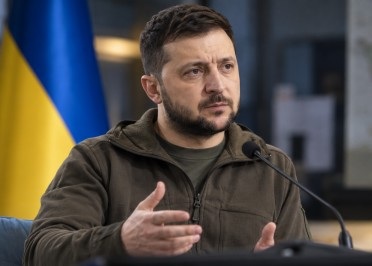
The potential escalation of the Ukraine-Russia conflict could see critical energy infrastructure targeted, as Ukrainian President Volodymyr Zelensky warns of possible retaliatory strikes on Russian heating and energy facilities should Moscow continue its assaults on Ukrainian infrastructure. This development heightens the risk of energy shortages as winter approaches, a concern echoed by the United States, which has urged both nations to refrain from such attacks.
At the United Nations, President Zelensky accused Russia of enlisting fighters from 47 different countries to bolster its military efforts against Ukraine. He specifically mentioned the involvement of individuals from nations like Ghana, Nepal, and India. Moreover, Zelensky noted the capture of two North Korean soldiers who were reportedly fighting for Russia and have since been transferred to South Korea.
Zelensky’s address also highlighted Russia’s increasing military collaboration with North Korea, suggesting that Moscow is desperate for additional manpower and resources to sustain its war effort. This assertion raises alarms over the expanding international dimensions of the conflict, as countries far removed from the European theater become indirectly involved through their citizens.
On the technological front, Ukraine is stepping up its military capabilities by advancing its drone technology. Zelensky announced new agreements with Finland and Australia, with plans for a similar pact with Canada. This development underscores Ukraine’s strategy to enhance its defense capabilities through international partnerships.
The Ukrainian president clarified that any potential strikes on Russian energy infrastructure would aim to undermine Moscow’s war finances rather than disrupt civilian energy supplies. This distinction seeks to frame Ukraine’s military strategy as a targeted economic measure rather than an attack on civilian infrastructure.